
Introduction
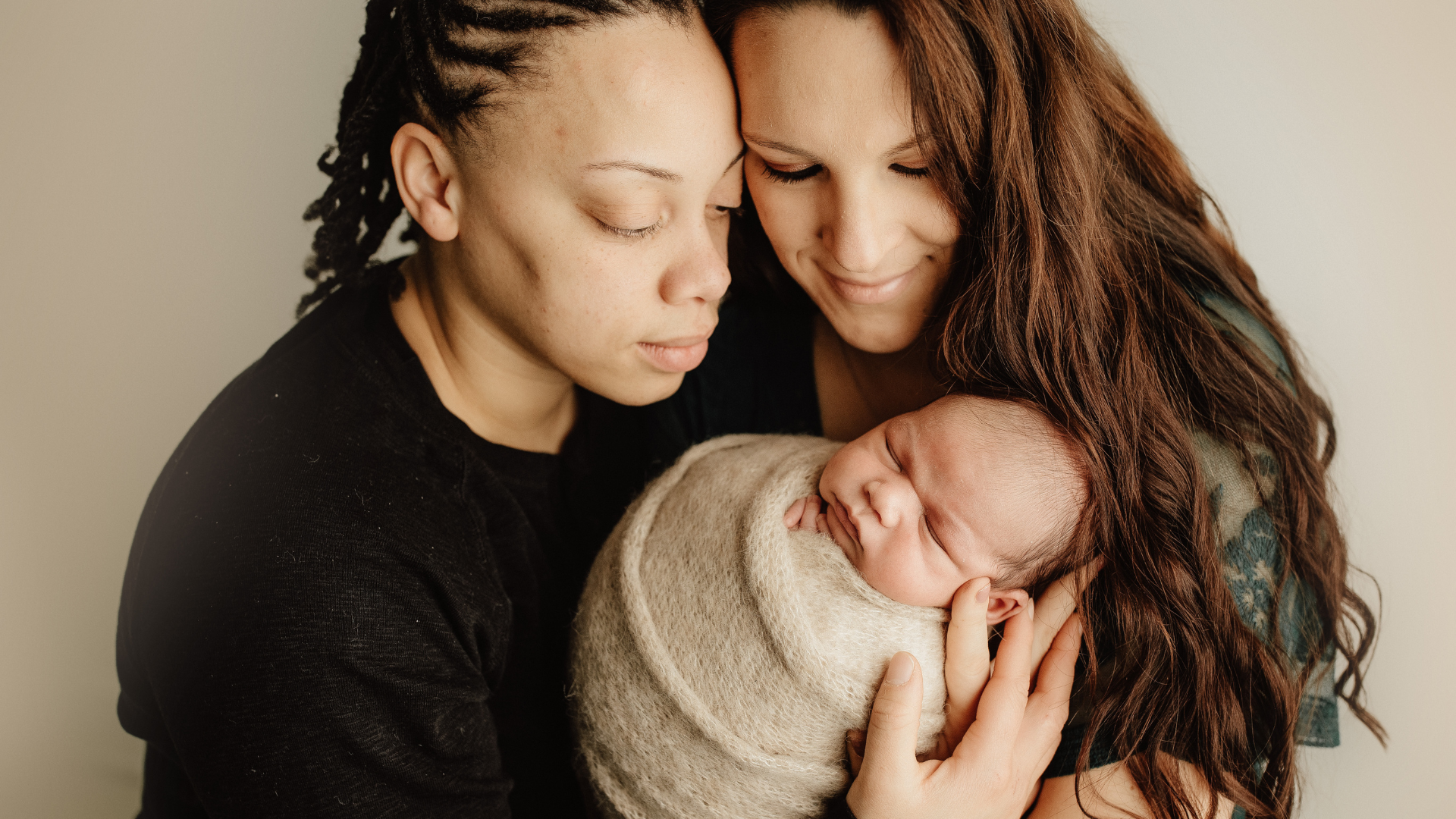
Reciprocal IVF — also called inter-partner IVF — is an increasingly popular and special option for same-sex female couples who want both partners to be biologically involved in starting a family.
One partner provides the eggs and the other partner carries the pregnancy.
This approach allows both partners to participate in the journey: one through genetic contribution and the other through pregnancy and childbirth.
This guide explains how reciprocal IVF works, who is a good candidate, the clinical steps, donor sperm choices, counselling and legal considerations specific to Victoria, likely timelines, potential outcomes, and practical advice to help you decide if this is the right path for your family.
💡 Note: This blog is general educational information only and does not constitute personalised medical advice. It reflects legislation and clinical guidance as of 2025, which may be subject to change. Please speak with your fertility specialist to discuss your situation in detail.
Who chooses reciprocal IVF — and why?
Reciprocal IVF is most often chosen by:
- Same-sex female couples who both wish to have a biological connection to their child.
- Couples where one partner prefers not to carry pregnancy but wants a genetic link.
- Couples who value shared parenthood and the emotional connection of both partners being involved medically.
Benefits include the emotional closeness of shared parenthood, the possibility of both partners involved in medical treatment (stimulation/collection and pregnancy/carrying), and the option to balance genetic and gestational contributions according to age, health and personal preferences.
Is reciprocal IVF right for you?
Reciprocal IVF requires medical suitability for both partners:
- The egg-donating partner needs adequate ovarian reserve and good egg quality — assessed by AMH, antral follicle count and clinical review. Because egg quality declines with age, younger eggs generally improves chances of success.
- The gestational partner needs a healthy uterus and no major contraindications to pregnancy (cardiac disease, certain severe medical conditions, etc.).
- Both partners should be willing to undergo counselling, screening and the practical demands of treatment.
If either partner has medical reasons that make stimulation, egg collection, or pregnancy risky, alternative pathways (donor eggs, gestational surrogacy where permissible, or other family building options) may be discussed.
The step-by-step clinical pathway
- Initial consultation and assessment (1–3 weeks)
Both partners attend an initial appointment. I take medical histories, discuss goals and timelines, and order investigations:
- AMH and baseline hormonal tests (for the egg-donor partner), pelvic ultrasound, routine blood tests.
- Uterine assessment and any preconception health optimisation for the gestational partner.
- Semen/donor sperm plan is discussed (clinic donor vs known donor).
- Counselling referral and legal considerations introduced.
- Counselling and informed consent (timing varies)
Victorian clinics require mandatory psychosocial counselling before donor treatments or reciprocal IVF. Counselling covers:
- Donor sperm choices and implications.
- How/when to tell children about their origins.
- Parenting roles, expectations, and potential relationship dynamics.
- Clinic paperwork and consent.
Counselling is a mandatory and valuable space to make decisions with clarity.
- Donor sperm selection and genetic screening (2–8 weeks)
You choose between clinic-recruited donors (profiles provided; donor identifiable to the child at age 18 in Victoria) or a known donor. Genetic carrier screening is recommended for donor and recipient (discussed below). If using a known donor, independent legal advice on intentions and agreements is strongly advised.
- Ovarian stimulation and egg collection (8–14 days of stimulation)
The egg-donating partner undergoes ovarian stimulation with self-administered injections, monitored by ultrasounds and sometimes blood tests. When follicles are mature, eggs are collected under light sedation as a day procedure.
- Fertilisation in the laboratory (3–6 days)
Collected eggs are fertilised in the lab using the chosen donor sperm. Embryos are cultured and assessed to blastocyst stage (day 5), and may be frozen or transferred fresh depending on individual circumstances.
- Embryo transfer (cycle timing varies)
The gestational partner prepares her endometrium with natural or medicated protocols, then receives the embryo transfer. The pregnancy test is performed about 10–12 days after transfer, with early ultrasound follow-up if positive.
Donor sperm options — clinic vs known donors
Clinic-recruited donors
- Recruited and screened by licensed clinics.
- I offer treatment through Genea Melbourne City donor sperm program where they offer donor sperm from Australia, America and Europe.
- Non-identifying profiles include physical characteristics, education, interests and medical history.
- By Victorian law, donor-conceived people can access identifying donor information at age 18.
- Clinic donors undergo medical, genetic and psychosocial screening.
Known donors
- A friend or acquaintance can act as a donor but must undergo the same screening, counselling and legal processes as clinic donors.
- Legal clarity is essential: known donors need to provide consent and understand their status; in Victoria, legal parentage is determined by statute and specific arrangements must be clarified.
- Genetic counselling is particularly important with known donors.
Important Victorian note: both donor types are regulated under the assisted reproduction framework; the same legal and counselling requirements apply.
Genetic screening and matching
Genetic carrier screening is standard practice. It identifies whether the recipient and donor carry genes for recessive conditions (e.g., cystic fibrosis, spinal muscular atrophy, haemoglobinopathies) and helps reduce the chance of having an affected child. Screening may be targeted by ethnicity or broader panels depending on history and clinic practice.
If both recipient and donor are carriers of the same recessive condition, we discuss options such as using a different donor, preimplantation genetic testing (PGT), or other reproductive choices.
I refer all my patients accessing donor sperm treatment through Genea Melbourne City, to genetic counselling to discuss genetic implications of their chosen donor, before they confirm decision to use that sperm.
Counselling, disclosure and parenting plans
Counselling is not a box-ticking exercise — it prepares the couple for the emotional and practical implications of donor conception and shared parenthood:
- How to discuss origins with your child.
- Co-parenting expectations and roles (e.g., who is the birth mother, legal parentage steps).
- Managing extended family and social questions.
- Preparing for potential contact with the donor in the future (if the donor or child wishes).
Clear, early conversations and documentation reduce misunderstandings later.
Success rates, timing and realistic expectations
Success in reciprocal IVF depends on age, the egg partner’s ovarian reserve, embryo quality and the gestational partner’s uterine environment.
Broadly:
- Younger egg donors (under 35) yield higher success per embryo transfer than older donors.
- If one partner is older, it is often medically sensible for the younger partner to be the egg partner where possible.
I discuss with my patients personalised expected success estimates based on age and ovarian reserve. Expect the process from initial consultation to embryo transfer to take 2-3 months depending on assessments and scheduling. Frozen embryo transfers may add a few more weeks but can allow better timing and coordination.
Costs and practical considerations
Costs vary between clinics and individual treatment plans. Typical components include:
- Consultations, investigations and counselling fees.
- Treatment cycle fee which include monitoring scans , egg collection procedure, embryo transfer procedure and blood tests in cycle
- Stimulation medications
- Egg collection theatre fee
- There may be other embryology lab related fees
- Donor sperm costs or donor coordination fees
You will be advised in detail your treatment and donor program fees as part of your comprehensive pre treatment appointments to prepare you for starting treatment. You can also make general enquiries before then by contacting the IVF clinics directly.
A practical patient example
Anna (31F) and Mia (34F) chose reciprocal IVF. Anna had a history of endometriosis and preferred not to carry but had a strong ovarian reserve, while Mia had a strong desire to carry the pregnancy and give birth. They chose a clinic-recruited donor from America through Genea Melbourne City, completed counselling and genetic screening, and Anna underwent stimulation and egg collection. Fertilisation produced several good quality blastocysts which were frozen. Mia chose to have a frozen embryo transfer cycle the following month after a natural cycle and had one embryo was transferred. Mia conceived and both partners remained actively involved in antenatal care. They reported high satisfaction with shared involvement and the counselling support.
FAQs
Do both partners need counselling?
Yes — counselling for both partners is a standard part of care and helps ensure informed decision-making and emotional preparedness.
Can we use a known donor and still have privacy?
Known donors must follow the same legal and screening process. In Victoria, donor identity is available to the donor-conceived person at age 18, so privacy cannot be guaranteed long term.
What if one partner has low ovarian reserve?
Options include using the partner with better reserve as donor, using donor eggs, or proceeding with IVF and discussing PGT or embryo banking. Individualised counselling will help choose the best route.
Is reciprocal IVF more expensive than standard IVF?
Costs are broadly similar to a standard IVF cycle but vary with the need for additional counselling, sperm donor fees, and any extra tests.
Final thoughts
Reciprocal IVF offers a meaningful way for same-sex female couples to share biological parenthood. It combines clinical technology with deep personal significance — allowing both partners to play a central role.
With careful medical assessment, genetic screening, thorough counselling and legal clarity, reciprocal IVF can be a safe, effective and deeply rewarding path to parenthood.
If you’d like to explore reciprocal IVF, book a consultation to discuss your unique situation, timeline and options. I work closely with experienced embryology teams and donor program at Genea Melbourne to provide compassionate, evidence-based care tailored to same-sex couples.
📍Dr Alice Huang – Fertility Specialist Melbourne
Book a consultation today and let’s take the first step together.
Disclaimer: This information is general in nature and does not replace medical advice. Please consult with your treating specialist for individualised guidance.