Timing intercourse to coincide with ovulation is an important part of natural conception. Ovulation induction treatment may help women who do not ovulate regularly, or who ovulate infrequently, by supporting the development and release of an egg.
Certain hormonal imbalances and disorders can interfere with regular ovulation and make natural conception less likely. If you aren’t consistently releasing an egg, the chance of pregnancy will be reduced. Ovulation induction treatment can help encourage the development and release of an egg, so that timed intercourse can occur at the most appropriate time to allow fertilisation inside the body.
Your menstrual cycle is regulated by a series of hormones, including follicle stimulating hormone (FSH), luteinising hormone (LH), oestrogen, and progesterone. These hormones rise and fall in a coordinated pattern throughout the cycle. Ovulation is one phase of the menstrual cycle and usually occurs around two weeks before the next period.
Ovulation is the release of a mature egg from a follicle, a small fluid-filled sac in the ovary. The egg then enters the fallopian tube, where it may be fertilised by sperm. If fertilisation does not occur, the egg breaks down and the lining of the uterus is shed during your next menstrual period. If fertilisation does occur, the developing embryo may go on to implant in your uterus and establish a pregnancy.
Some hormonal disorders can disrupt this process by interfering with the normal regulation of the menstrual cycle and ovulation. When ovulation is irregular or absent, the chance of natural conception may be lower.
Ovulation induction is a fertility treatment used to encourage ovulation in women who do not ovulate regularly or who do not ovulate at all (termed anovulation). It may be used on its own or as part of other fertility treatments, including intrauterine insemination (IUI).
Treatment options may include:
The aim of ovulation induction is to support follicle development and the release of an egg, improving the chance of conception.
Ovulation induction may be appropriate if you do not ovulate regularly, ovulate infrequently, or do not ovulate at all (termed anovulation). As this treatment works by encouraging your ovaries to develop and release an egg, it is most useful when ovulation problems are contributing to difficulty conceiving. Where other significant factors are present, such as blocked fallopian tubes or significant sperm abnormalities, Dr Huang may recommend a different treatment pathway, including IVF with or without ICSI.
Ovulation induction may be considered if you have:
Where excess weight is contributing to irregular ovulation, lifestyle and weight management may be an important part of treatment before or alongside medication. Achieving a healthier weight can improve your overall fertility, support more regular menstrual cycles, and improve response to ovulation induction if treatment is needed. In some cases, even a modest reduction in body weight may help restore ovulation.
Before ovulation induction is recommended, Dr Huang will assess whether ovulation problems are contributing to your difficulty conceiving. This usually involves a detailed medical history, ultrasound assessment, and blood tests, including hormone testing, to clarify whether there are other factors that may also be affecting fertility.
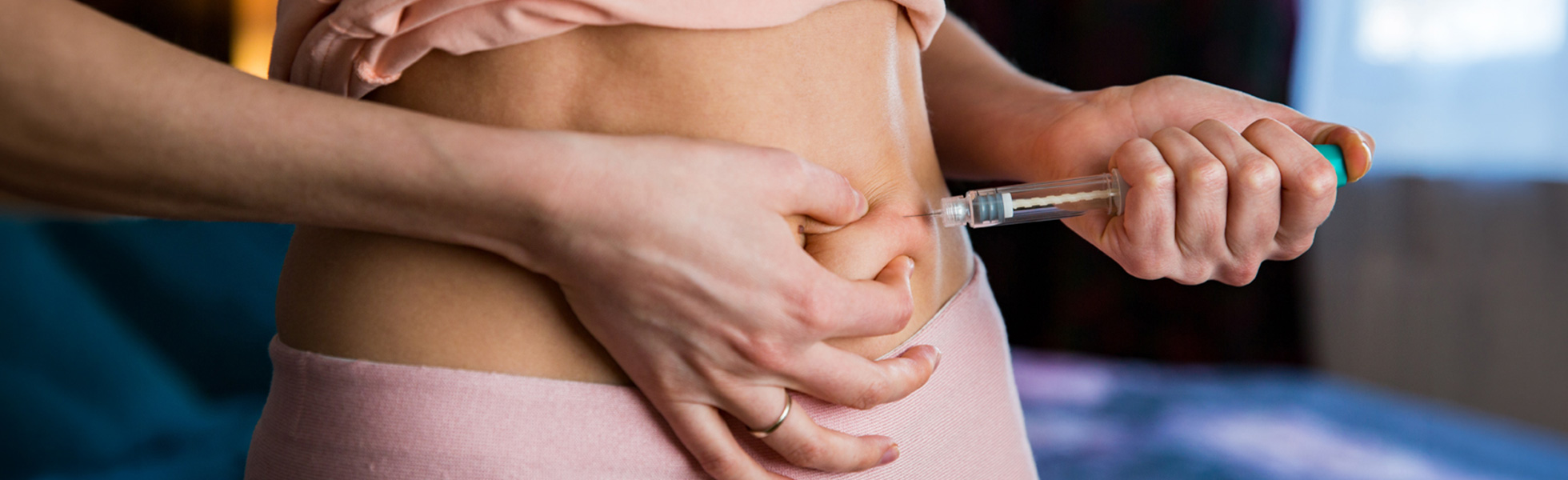
In most cases, ovulation induction is carried out using medication. This may involve tablets such as clomiphene citrate (Clomid®) or letrozole (Femara), or hormone injections such as follicle stimulating hormone (FSH). The most appropriate medication and dose will depend on factors such as the underlying cause of ovulatory dysfunction, your response to treatment, and your individual circumstances.
Dr Huang and her team will monitor your response to treatment with ultrasound scans and, in some cases, blood tests. This helps assess follicle development and guide any necessary adjustment to medication. Some women may also require a trigger injection of human chorionic gonadotropin (hCG) to support final egg maturation and ovulation.
Once ovulation timing has been identified, Dr Huang will advise on the most appropriate timing for intercourse or, where relevant, arrange IUI accordingly. Careful cycle monitoring and timing are important parts of treatment and help optimise the chance of conception. Around two weeks later, a blood test can be performed to check whether pregnancy has occurred.
The likelihood of success with ovulation induction depends on a range of factors, including your age, the cause of ovulatory dysfunction, egg quality, sperm factors, and whether there are any additional fertility issues present. A thorough fertility assessment with Dr Huang can help clarify whether ovulation induction is likely to be an appropriate treatment option, and whether there are other factors that may affect your chance of pregnancy.
Age is one of the most important factors influencing treatment outcomes. In general: