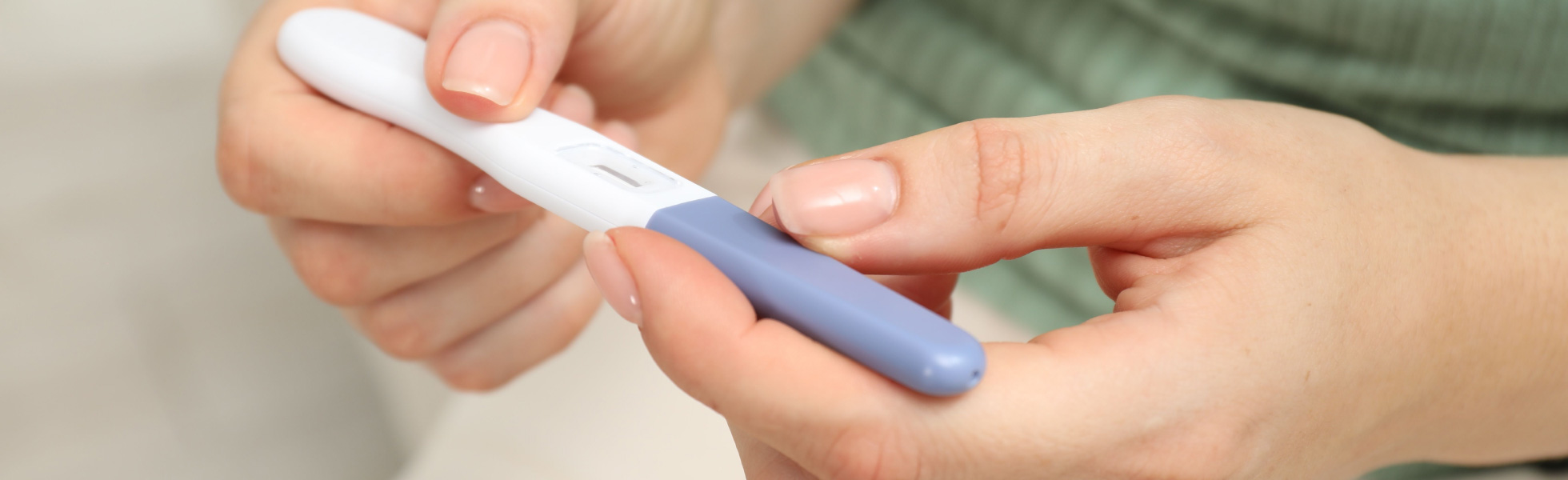
A fertility assessment is a comprehensive process designed to help individuals and couples wishing to conceive to better understand their fertility and identify any potential concerns.
This important first step on your journey to parenthood involves a detailed medical history and a series of investigations to look for possible causes of infertility. These results inform an appropriate treatment plan and can help to guide expectations.
Infertility or subfertility is usually defined as the inability to conceive after 12 months of having unprotected sexual intercourse for a woman under 35 years of age, or after 6 months for a woman over 35 years of age. Infertility is surprisingly common, affecting one in six Australian couples.
Fertility problems can be caused by a variety of factors, and sometimes there is more than one reason. Around one third of couples struggling to conceive will be affected by both male and female factors.
In couples experiencing difficulty conceiving, female fertility problems account for approximately 30%.
The most common cause of female infertility is advancing age. As a woman gets older, the number of eggs remaining in her ovaries (known as ovarian reserve) decreases. With increasing age, the quality of these remaining eggs also deteriorates, making successful conception and pregnancy more difficult to achieve.
Other causes of female infertility include:
Similar to female factor infertility, male fertility problems contribute to approximately 30% of couples facing infertility.
Causes of male infertility include:
10% of couples will not have any identifiable cause for their fertility challenges, a situation known as unexplained or idiopathic infertility. Although this diagnosis can be discouraging and frustrating, there are still avenues for building your family.
A fertility assessment with Dr Huang starts with an initial consultation to review your medical history, lifestyle factors, and any previous pregnancies or attempts to conceive. This conversation lays the foundation for an evaluation plan tailored to your situation. If you are building your family with a reproductive partner, both partners are recommended to attend the first consultation.
Your fertility assessment will include a comprehensive medical history and lifestyle review to discuss pre-pregnancy screening and address any underlying medical issues. Dr Huang will also review your lifestyle factors, exercise habits, and nutrition to determine if there are any obvious factors impacting your reproductive health.
Diagnostic fertility tests for women can be extensive, providing a significant level of detail about your reproductive health. Not all of the following tests may have diagnostic value for you; Dr Huang will prioritise her investigations based on your history.
The full suite of female fertility tests may include:
Fertility testing for men is primarily focused on semen analysis, which examines sperm count (amount), motility (movement), and morphology (shape), all critical factors in male fertility. Depending on these results, Dr Huang may also order a hormone analysis or ultrasound imaging of your reproductive organs.
Although reproductive genetic carrier screening (RGCS) is not designed to identify causes of infertility, it is often worth considering at the time of your fertility assessment. This test determines if you or your reproductive partner carry certain inheritable conditions that may impact your baby’s health, allowing you to make informed decisions in your fertility planning.
Lifestyle factors such as what you eat, how you move, and even how you manage stress can affect your chances of falling pregnant. Some lifestyle factors, such as smoking and other illicit drugs, have very clear evidence of harm on fertility and pregnancy and should be avoided while the impact of other lifestyle choices are less clear cut.
We all know that what we put into our bodies can influence so many aspects of our health. Generally, what is good for general health will be good for fertility health.
There is no universally accepted theory about diet and fertility. The reality is that everyone is different and the individual must be taken into consideration, including how your body responds to certain nutrients, your culture, and even your taste preferences. There is not one single diet that will suit all. However, general consensus leans towards what is known as the Mediterranean diet as this typically includes many of the fertility-friendly principles.
The general principles of eating for fertility includes a well-balanced diet, high in fresh vegetables and fruits, choosing wholegrains over refined carbohydrates, low in processed sugars, minimal animal-derived fats (with the exception of some fish), and higher in good proteins and fats, like nuts and fish oil.
If you have concerns about your diet or wish to look more closely at what can be supplemented in your diet, you may wish to speak to your GP, dietician, or nutritionist.
Coffee has become an integral part of many of our lives, and is a topic of great concern to many while trying for pregnancy.
The available evidence on caffeine and fertility is mixed, but higher caffeine intake may be associated with a longer time to conception and, in some studies, a higher risk of miscarriage.
Caffeine can affect women’s hormone levels and men’s sperm health. One study reported that women who drink less than one cup of coffee per day have double the likelihood of falling pregnant with each attempt compared to women who drink more than one cup a day. Another study noted that men who take more than two cups of coffee a day have a higher miscarriage rate in their partners compared to men drinking less than two cups a day.
The link between caffeine and fertility is far from clear, but with the potential for negative effects, the safest thing to do is to stop drinking coffee while trying for pregnancy. If abstaining completely is not possible, the recommendation is to limit your intake to one cup or less per day for women, or two cups or less for men.
Current national guidelines recommend no more than 10 standard drinks per week, and no more than four on any one occasion. When you are trying for pregnancy, a lower intake is advised.
Excessive alcohol can negatively affect reproductive health in both women and men, as well as the baby in pregnancy. There is no clearly established safe level of alcohol intake when trying for pregnancy or during pregnancy. For this reason, avoiding alcohol is the safest approach. If abstaining completely is difficult, reducing your intake as much as possible is a sensible harm-minimisation strategy.
If you have concerns about your alcohol intake and what you can do about it, you should discuss this with your GP.
Mental health is an important factor for both our fertility and general health. Stress is typically a normal part of life, resulting in observable and measurable changes in the body. While women under stress can still fall pregnant, these physiological changes can affect how easy it is for you to conceive.
Rather than trying to eliminate stress entirely, learning how to cope and regulate your response to inevitable stressors is a more realistic approach. Remember to lean on the support you have available around you, including your GP, a counsellor, psychologist, partner, family, and friends.
If you are planning a pregnancy, it is often helpful to see your GP for a general health check, including a review of your mental health.
